What process steps should high earners take to assess future tax impact on retirement?
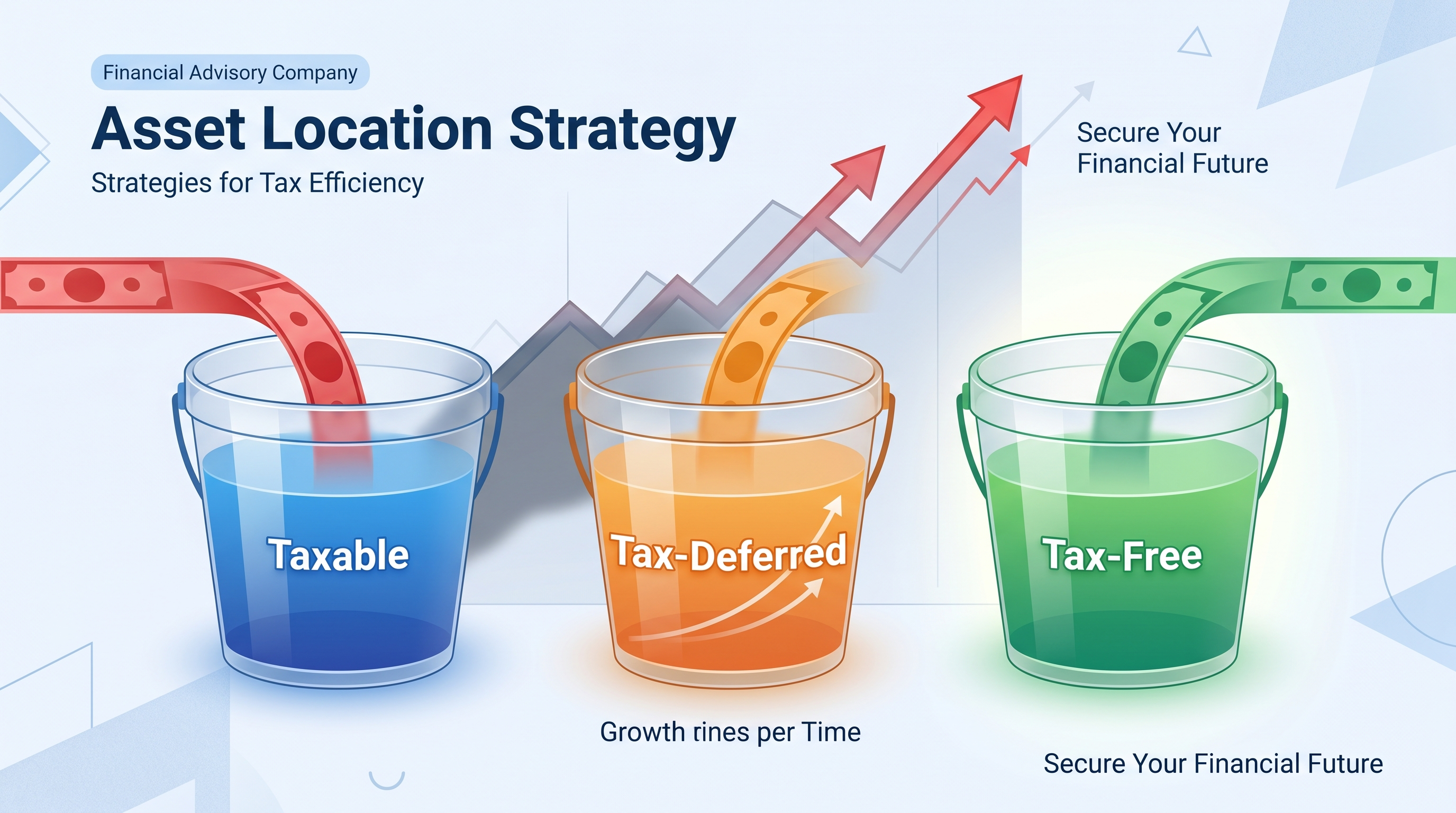
High earners should undertake a multi-faceted process to evaluate how future tax rates might affect their retirement savings. Firstly, it's crucial to conduct a thorough financial needs assessment, which goes beyond simply projecting income and expenses. This assessment should specifically analyze potential retirement income gaps, taking into account current and projected tax liabilities under various future tax rate scenarios. Secondly, high earners need to identify their current tax exposure across all their retirement savings vehicles, including 401(k)s, IRAs, and taxable investment accounts. This involves understanding what portion of their savings is tax-deferred, tax-exempt, or taxable upon withdrawal. Thirdly, they should explore strategies to protect their retirement nest egg from increased tax burdens. This could involve diversifying across different tax buckets – traditional, Roth, and taxable accounts – or considering advanced strategies like Roth conversions, particularly during periods of lower tax rates, if applicable. Evaluating the protection offered by growth strategies beyond standard market exposure, such as S&P 500-linked index strategies, which may offer tax-efficient growth and downside protection, is also vital. Fourthly, it's important to analyze the 'fee drag' on their investments. High fees, especially when compounded over decades, can significantly erode retirement savings and exacerbate the impact of higher future taxes on net income. An independent broker can help identify hidden fees and recommend more efficient investment vehicles. Finally, developing a dynamic withdrawal strategy for retirement is key. This strategy should consider the sequence of withdrawals from different account types to minimize overall tax liability throughout retirement, adapting to the prevailing tax environment and personal financial circumstances.
Ready to Build Your Financial Future?
Contact Everence Wealth for expert independent financial guidance.
Get in Touch