What common tax structure pitfalls plague 401(k) and Roth IRA users?
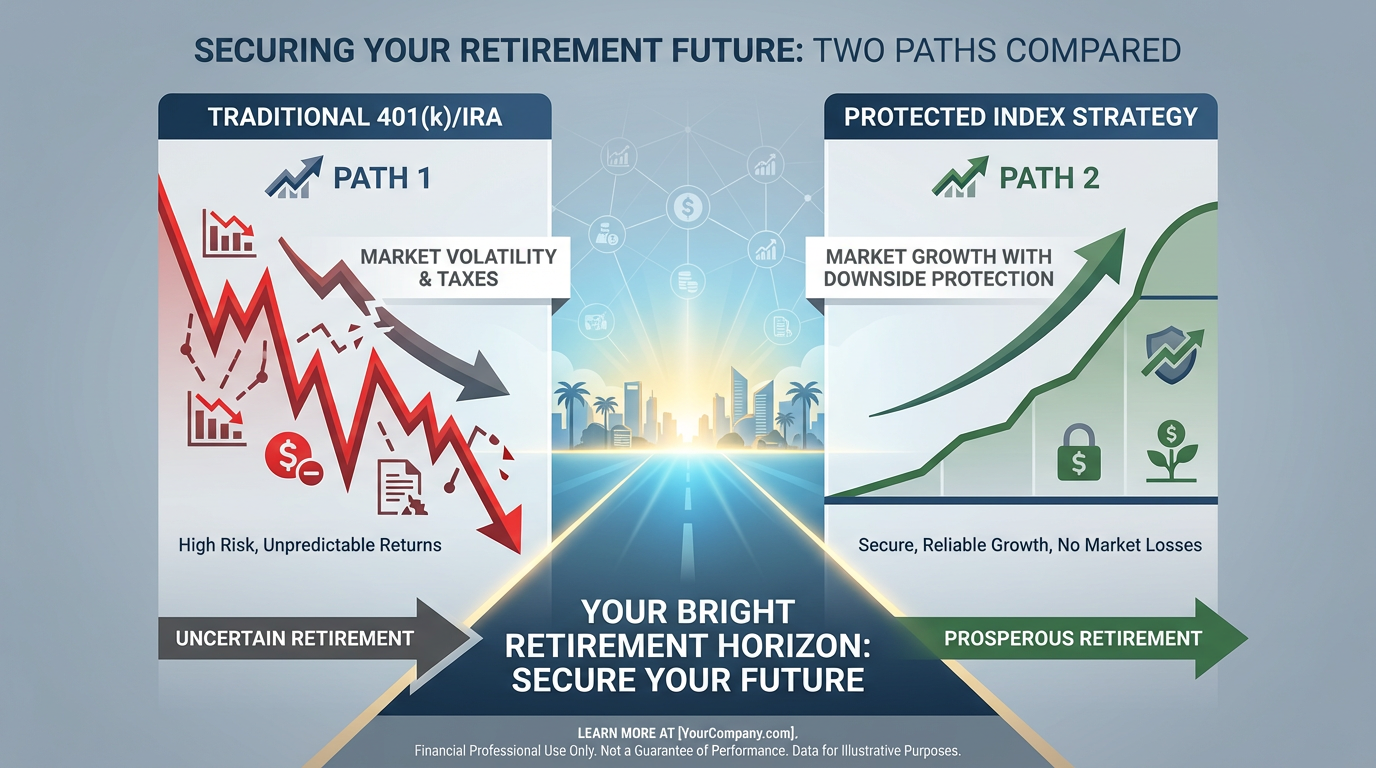
A frequent pitfall for those balancing 401(k)s and Roth IRAs is failing to consider their future tax bracket. Many assume their income and tax rate will be lower in retirement, making tax-deferred 401(k) contributions seem more advantageous. However, if an individual's income in retirement is higher than anticipated, or if tax rates generally increase, a significant portion of their 401(k) distributions could be subject to higher taxes than if they had diversified into a Roth IRA earlier. Conversely, individuals currently in a very low tax bracket might miss an opportunity by contributing solely to a Roth IRA, as the immediate tax deduction from a 401(k) could be more beneficial. Another common mistake is neglecting to rebalance the tax mix of their retirement portfolio over time. As careers progress and income levels change, the optimal balance between tax-deferred and tax-free accounts might shift. For instance, a young professional in a low tax bracket might benefit more from a Roth IRA, while someone in their peak earning years facing higher taxes might prioritize 401(k) contributions due to the immediate tax deduction. Failing to adjust this strategy can lead to an unnecessarily high tax burden in retirement or missed opportunities for tax-free growth. Finally, many individuals overlook the impact of Required Minimum Distributions (RMDs) from 401(k)s (and traditional IRAs) versus the complete lack of RMDs for original Roth IRA owners. This oversight can lead to unexpected taxable income in retirement that pushes individuals into higher tax brackets, particularly if they have substantial tax-deferred savings. Understanding how RMDs apply and using Roth conversions strategically can mitigate this challenge, ensuring more control over future tax obligations and greater tax-free income potential.
Ready to Build Your Financial Future?
Contact Everence Wealth for expert independent financial guidance.
Get in Touch