What are common pitfalls in investment portfolios related to volatility drag?
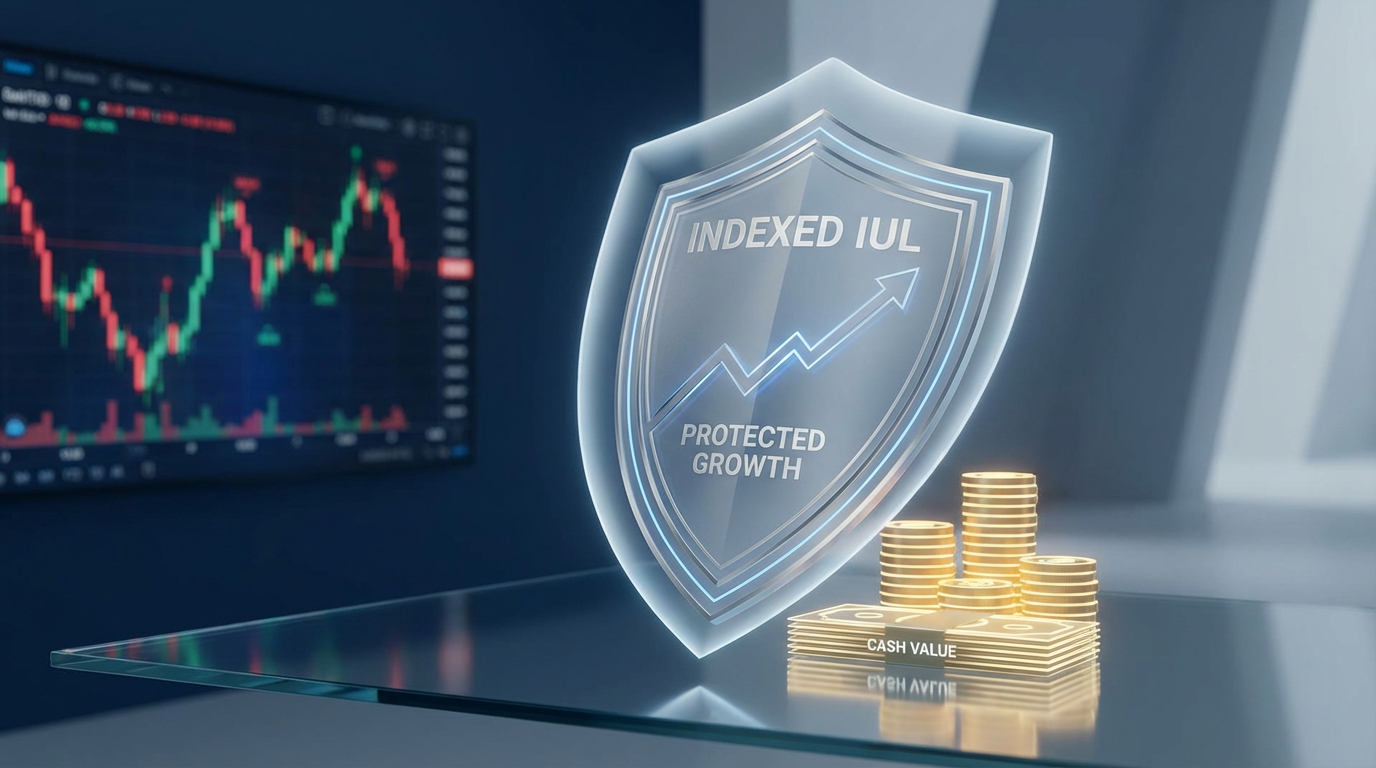
Investors frequently underestimate volatility drag, often focusing solely on average annual returns without considering how sequence of returns and market fluctuations erode long-term wealth. A primary pitfall is ignoring the impact of frequent rebalancing in highly volatile markets, which can exacerbate drag by selling low and buying high repeatedly if not executed strategically. Another common mistake is neglecting asset allocation adjustments; portfolios that become overly concentrated in volatile assets without periodic review can experience greater volatility drag. Furthermore, investors might overlook the hidden costs associated with certain investment products, such as high expense ratios or trading fees, which compound the effects of volatility drag. Finally, failing to understand the tax implications of frequent trading or capital gains within volatile accounts can further diminish real returns. Addressing these pitfalls requires a holistic approach, including diversification, strategic rebalancing, cost-conscious investing, and a keen awareness of how market movements affect long-term growth, especially when not accounting for volatility's performance-reducing effect.
Ready to Build Your Financial Future?
Contact Everence Wealth for expert independent financial guidance.
Get in Touch