What 401(k) pitfalls lead to unexpected tax liabilities?
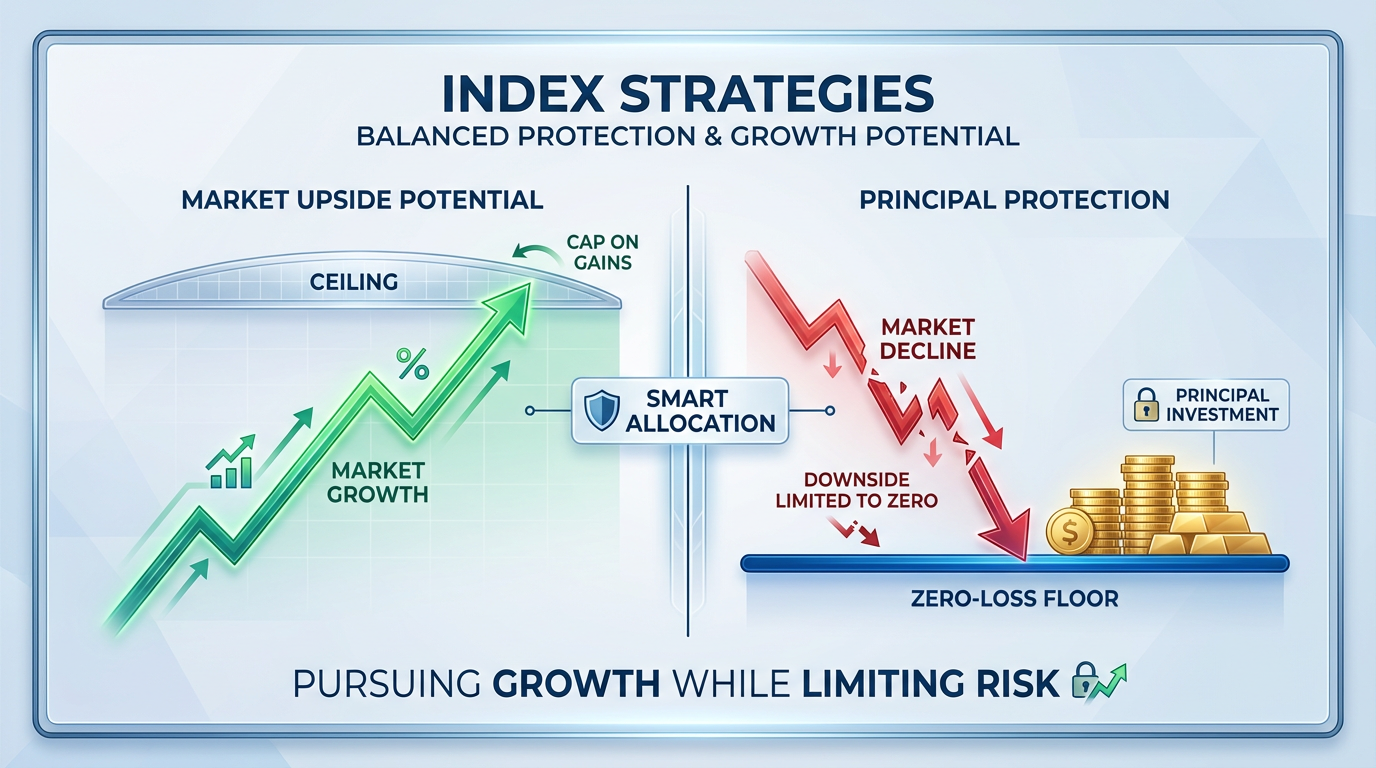
Many investors mistakenly believe their 401(k) contributions and growth are entirely tax-free, leading to significant pitfalls. One common pitfall is overlooking the distinction between tax-deferred and tax-exempt. While contributions grow tax-deferred, meaning taxes aren't paid annually on investment gains, withdrawals in retirement are subject to ordinary income tax. This can be a shock for individuals who haven't planned for this future tax burden, especially if they end up in a higher tax bracket during retirement than anticipated. Another pitfall is neglecting to factor required minimum distributions (RMDs) into their long-term tax strategy. Once you reach a certain age, the IRS mandates that you begin withdrawing money from your traditional 401(k), regardless of whether you need it. These RMDs are fully taxable and can push you into a higher tax bracket, potentially affecting other aspects of your financial plan, such as Medicare premiums. Furthermore, early withdrawals due to unforeseen circumstances can trigger not only ordinary income tax but also a 10% penalty, severely eroding your savings. Failing to explore alternative or complementary strategies, such as Roth 401(k) options or integrating index strategies within a broader financial plan that focuses on tax-efficient growth and distributions, is another significant oversight. Understanding these nuances and planning proactively is crucial to avoid unpleasant tax surprises and maximize the true value of your retirement savings.
Ready to Build Your Financial Future?
Contact Everence Wealth for expert independent financial guidance.
Get in Touch