What 401(k) investment complexities obscure tax-efficient gains?
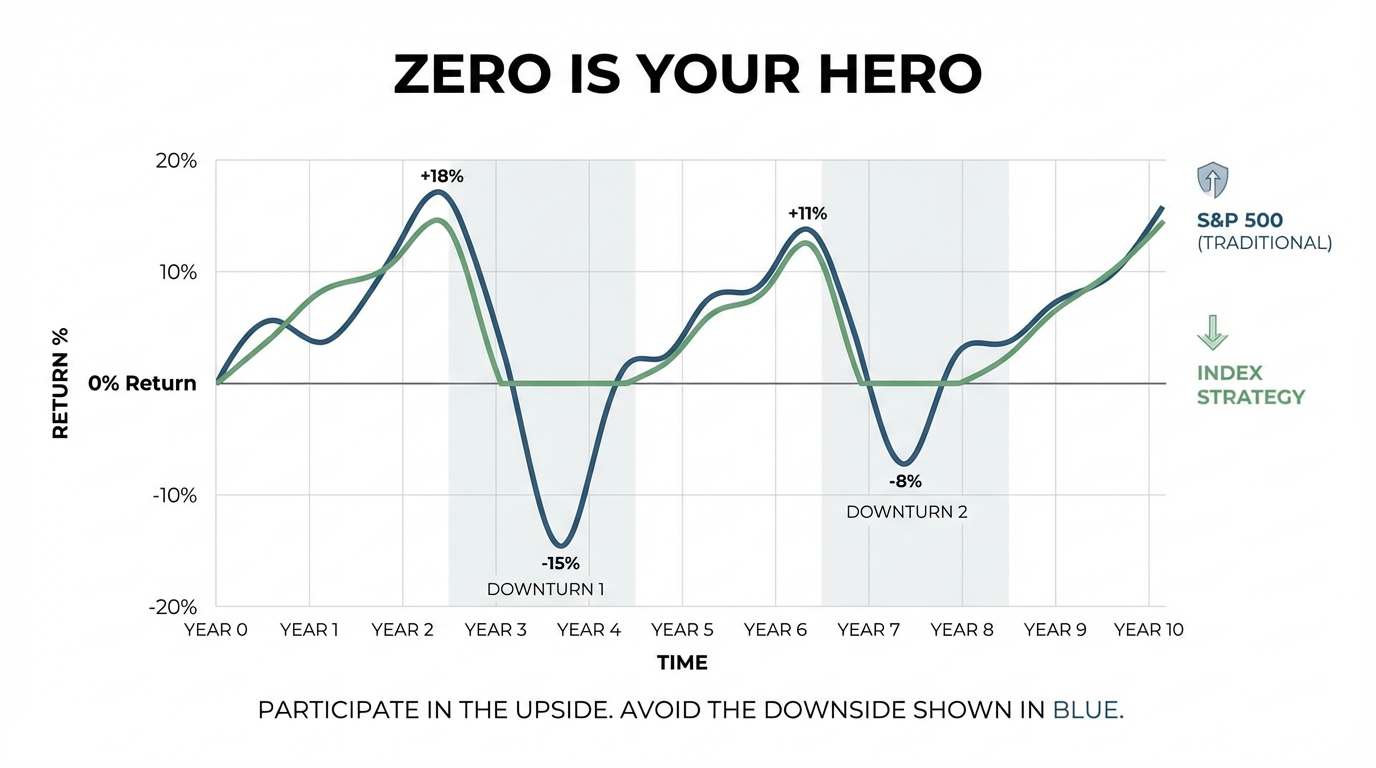
Hidden complexities within 401(k) investment options can significantly obscure tax-efficient gains, particularly when it comes to understanding the true cost and performance of various funds. Many participants focus solely on expense ratios, overlooking other embedded costs like trading fees, 12b-1 fees, or even the bid-ask spread within certain investment vehicles. These charges, while seemingly small individually, accumulate over decades and erode the compound growth of your retirement savings, leaving less capital available to benefit from tax-deferred or tax-free growth. For instance, actively managed funds often have higher internal costs that may not be fully justified by superior performance, directly impacting net returns after taxes. Furthermore, the tax efficiency of underlying investments within the 401(k) itself is crucial. Some funds generate frequent taxable events even within a tax-deferred account, which can become problematic upon withdrawal if not managed properly. Understanding how specific investment choices, such as mutual funds with high turnover or certain alternative investments, contribute to or detract from overall tax efficiency is vital. Analyzing the tax implications of different asset allocations and understanding how rebalancing might trigger unforeseen tax consequences – even within the 401(k) structure – is another layer of complexity. Tools like Index Strategies, when properly implemented, aim to simplify some of these complexities by offering market participation with built-in protections and tax-efficient structures that can help mitigate some of these hidden costs and obscure tax liabilities. It's essential to regularly review your 401(k) statement, scrutinize fund prospectuses for all associated fees, and consult with a financial advisor to ensure your investment strategy aligns with your long-term tax protection goals and avoids these subtle financial drains.
Ready to Build Your Financial Future?
Contact Everence Wealth for expert independent financial guidance.
Get in Touch