What common mistakes should individuals avoid when considering Indexed Universal Life (IUL) for tax-free retirement income?
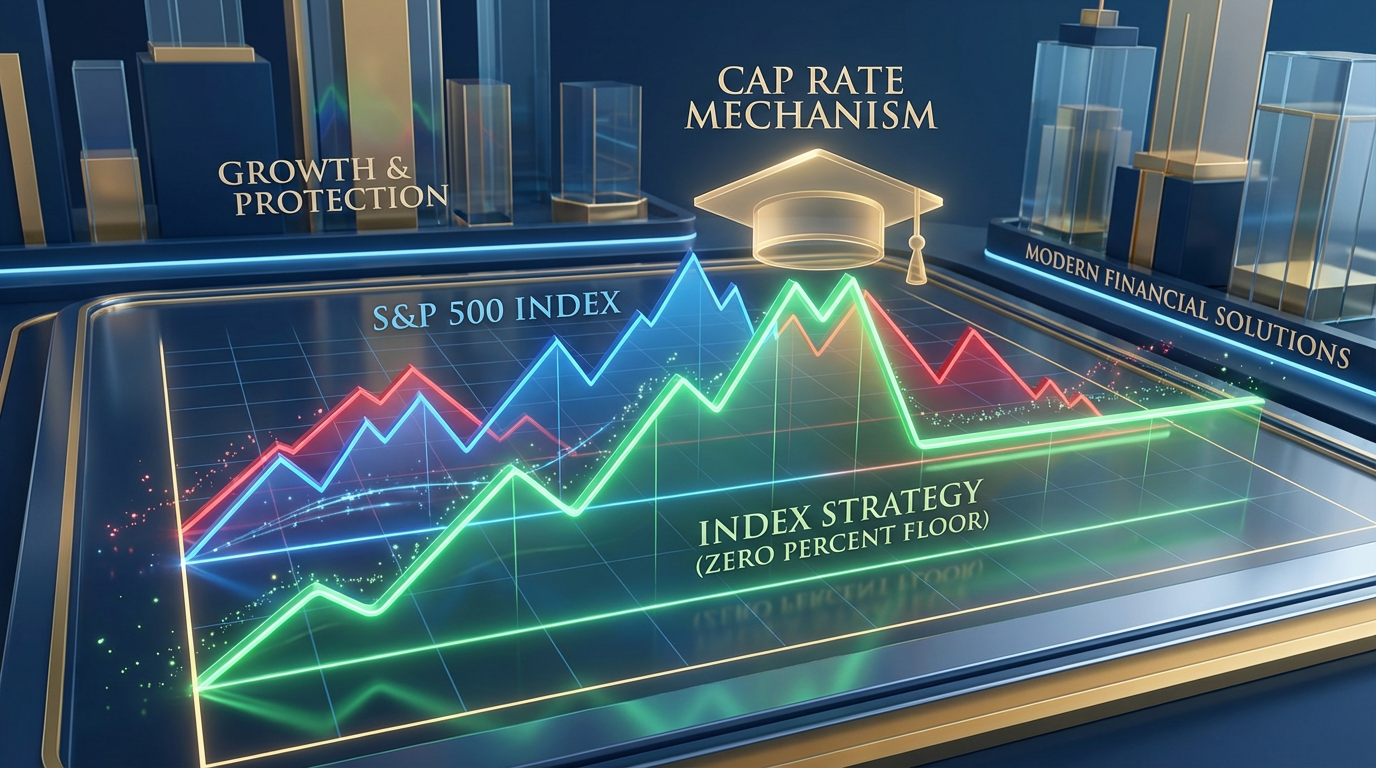
When evaluating Indexed Universal Life (IUL) for retirement income, individuals commonly err by focusing solely on projected growth rates without fully understanding the underlying mechanics, such as participation rates and cap rates. Another frequent pitfall is underestimating the impact of policy fees and charges on the overall cash value accumulation. Some also fail to adequately consider the long-term commitment required for an IUL policy to perform as intended for tax-free income, potentially leading to premature surrenders and adverse financial outcomes. Moreover, clients sometimes overlook the importance of realistic illustrations, which can inflate expectations. Finally, a significant mistake involves not properly integrating the IUL policy into a broader financial plan, viewing it in isolation rather than as one component of a comprehensive strategy.
Ready to Build Your Financial Future?
Contact Everence Wealth for expert independent financial guidance.
Get in Touch