How does volatility drag introduce hidden costs in investment portfolios?
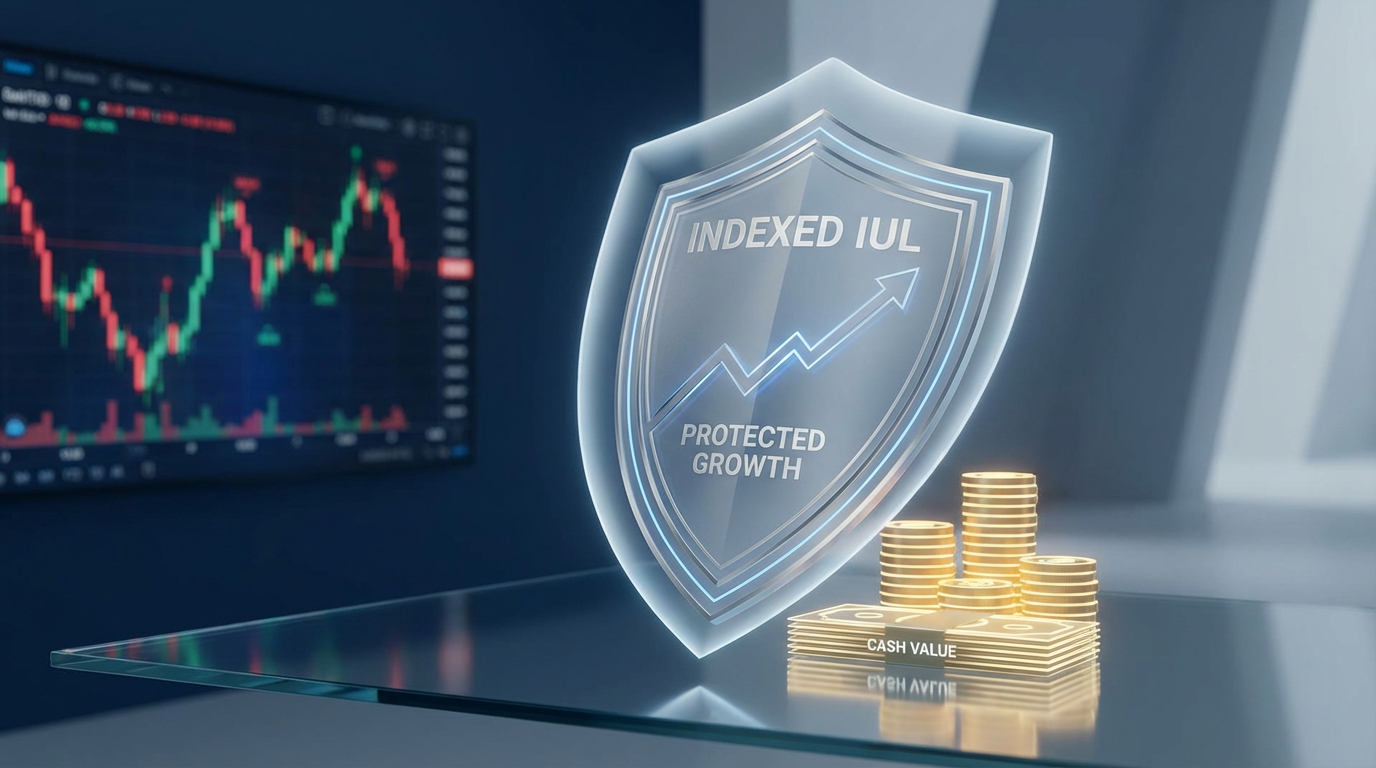
Volatility drag, often an overlooked factor, introduces hidden costs by derailing the compounding effect of returns over time, making it significantly harder for a portfolio to achieve its target growth. This isn't a direct fee or a visible expense, but rather an insidious mathematical erosion of wealth. When a portfolio experiences significant fluctuations (i.e., high volatility), its compound annual growth rate (CAGR) will always be lower than its arithmetic average return, assuming the average return is positive. This difference is the volatility drag, and it represents foregone growth – a "hidden cost" in terms of lost opportunity and reduced wealth accumulation. For example, if a portfolio goes up 50% one year and down 50% the next, the arithmetic average return is 0%, but the actual compound return is a loss of 25%. This 25% represents the volatility drag, a hidden cost that means your dollar bought less, or your initial investment diminished in real terms, even with an average return of zero. This effect is exacerbated in portfolios with higher volatility, as the mathematical penalty for large swings becomes more pronounced. Investors often focus solely on average returns, failing to account for how sequence of returns and amplitude of fluctuations impact their actual wealth trajectory. Understanding and mitigating volatility drag, therefore, is crucial for preserving and growing capital effectively, as it directly impacts your portfolio's ability to recover from downturns and capitalize on upturns.
Ready to Build Your Financial Future?
Contact Everence Wealth for expert independent financial guidance.
Get in Touch