How do hidden fees impact the tax-free growth potential of a Roth IRA?
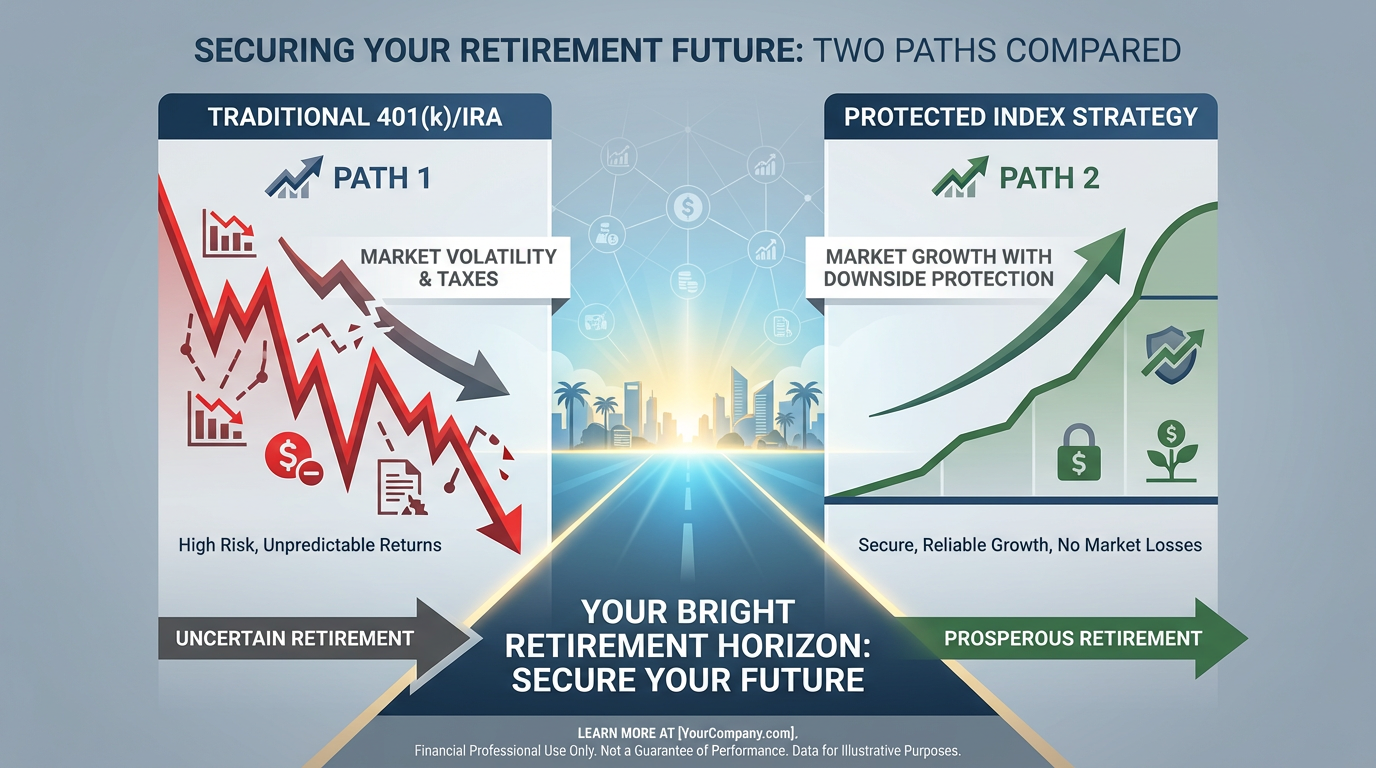
While Roth IRAs are celebrated for their tax-free withdrawals in retirement, hidden fees can subtly erode this advantage. Unlike a 401(k) where some fees might be borne by an employer, Roth IRA investors individually bear the full impact of all charges, whether explicit or embedded. Understanding these costs is crucial for maximizing your tax-free growth. For instance, high expense ratios on mutual funds or Exchange Traded Funds (ETFs) within your Roth IRA can significantly reduce your net returns over decades. Even a seemingly small 0.5% difference in fees can translate to tens of thousands of dollars less in tax-free wealth over a 30-year period, effectively shrinking the true 'tax-free' benefit. Sales charges (loads), account maintenance fees, transaction fees for trades, and even advisory fees can all diminish your principal before it even has a chance to grow tax-free. Actively managed funds often carry higher fees than passive index funds, which can be a key consideration. To mitigate this, scrutinize the fee disclosures of any investment chosen for your Roth IRA. Opt for low-cost index funds or ETFs when appropriate, review your statements regularly for unexpected charges, and compare fee structures across different custodians. The power of compounding works against you with fees, just as it works for you with returns. Therefore, minimizing these hidden costs is paramount to fully realizing the tax-free growth potential that makes a Roth IRA such a valuable retirement savings vehicle.
Ready to Build Your Financial Future?
Contact Everence Wealth for expert independent financial guidance.
Get in Touch