What hidden costs or unexpected fees should clients be aware of when considering Index Strategies for retirement planning?
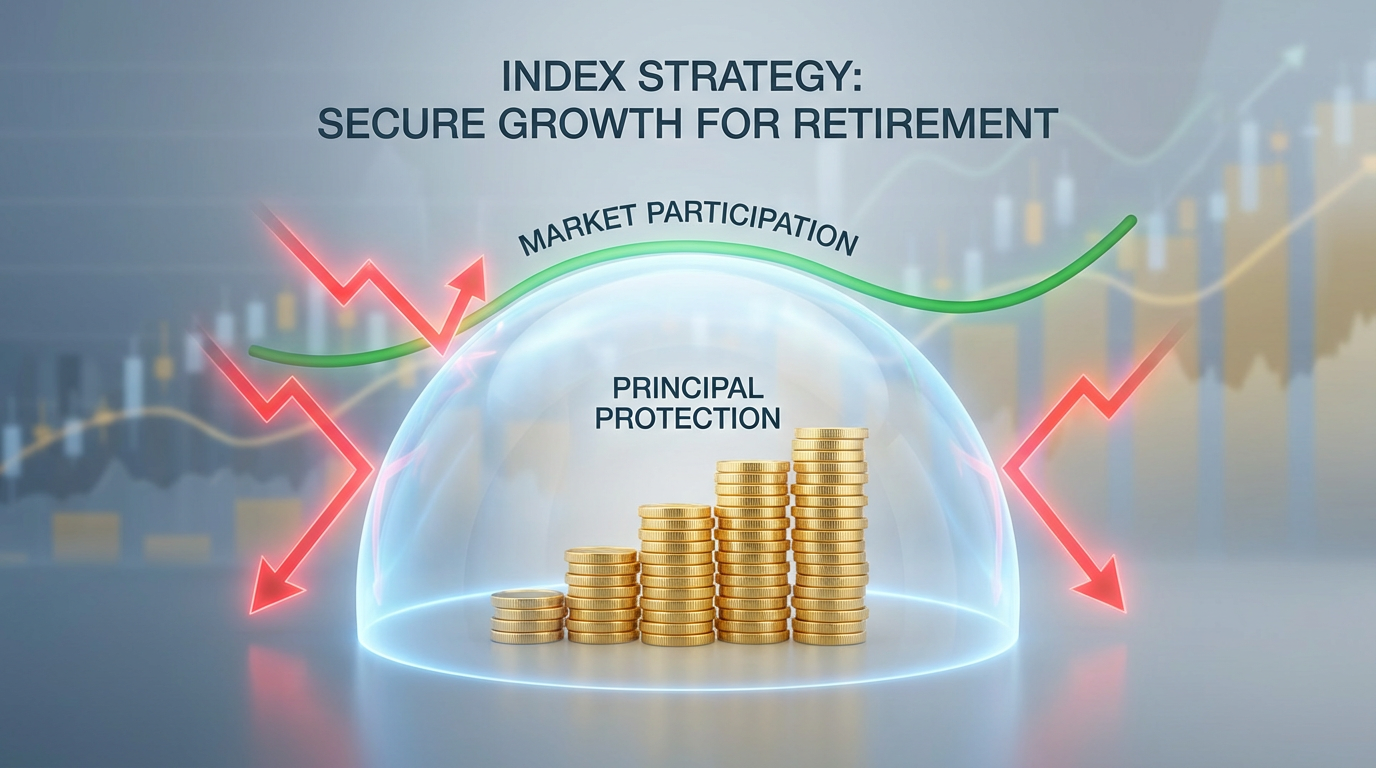
When considering Index Strategies, clients should be aware that while they offer downside protection, there can be hidden costs. These often manifest as participation rates, caps, or spreads, which limit the percentage of market gains one can capture. Additionally, some strategies may include surrender charges if funds are withdrawn before a specified period, and administrative or mortality and expense fees, particularly if the Index Strategy is embedded within an annuity or life insurance product. Understanding these limitations and fees is crucial for an accurate assessment of potential returns. ### Participation Rates and Caps Index Strategies typically do not capture 100% of the market's upside. Instead, they often come with participation rates, caps, or spreads. A participation rate determines the percentage of the index's gain that is credited to the account; for example, a 70% participation rate means that if the index gains 10%, the account is credited with 7%. A cap is a maximum percentage an account can earn in a given period, regardless of how much the underlying index rises. Spreads, similar to participation rates, involve a deduction from the index's gain before it is applied to the account. These mechanisms are how the insurance company finances the downside protection, but they also represent a hidden cost by limiting potential growth. ### Surrender Charges and Administrative Fees Many Index Strategies, particularly those structured as annuities, impose surrender charges if the policyholder withdraws funds beyond a certain free withdrawal amount before a specified surrender period ends. These charges can be substantial, decreasing over time but designed to recoup the insurer's initial costs and commissions. Furthermore, some Index Strategies may have ongoing administrative fees, mortality and expense charges (if part of an insurance product), or even explicit annual fees that can erode returns over the long term. It is important to scrutinize the fee schedule detailed in the contractual agreement to understand the full financial commitment. ### Impact on Long-Term Growth While the appeal of downside protection is significant, the various fees, caps, and participation rates can collectively impact the overall long-term growth of an Index Strategy. The cost of guaranteed principal protection is often less potential for upside growth compared to direct market investments. Clients should consider how these limitations might affect their ability to meet their long-term retirement goals, especially in prolonged bull markets where uncapped market participation could yield higher returns. A thorough analysis of the net effect of these factors on projected returns is essential before committing to an Index Strategy. By carefully examining the terms, conditions, and fee structures associated with any Index Strategy, individuals can make more informed decisions about whether these products align with their financial goals and risk tolerance. It is important to understand that the protection offered comes with specific trade-offs that directly affect overall profitability.
Ready to Build Your Financial Future?
Contact Everence Wealth for expert independent financial guidance.
Get in Touch